

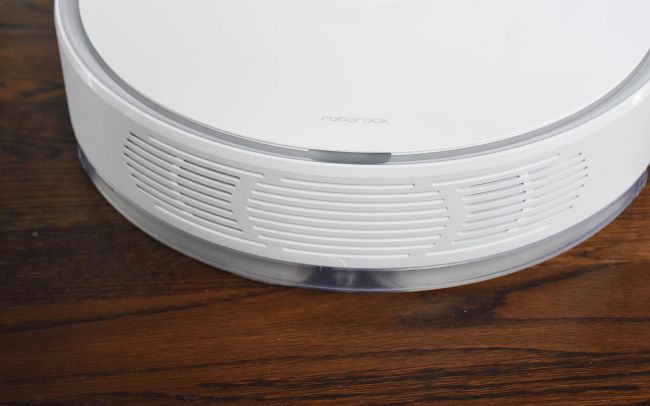
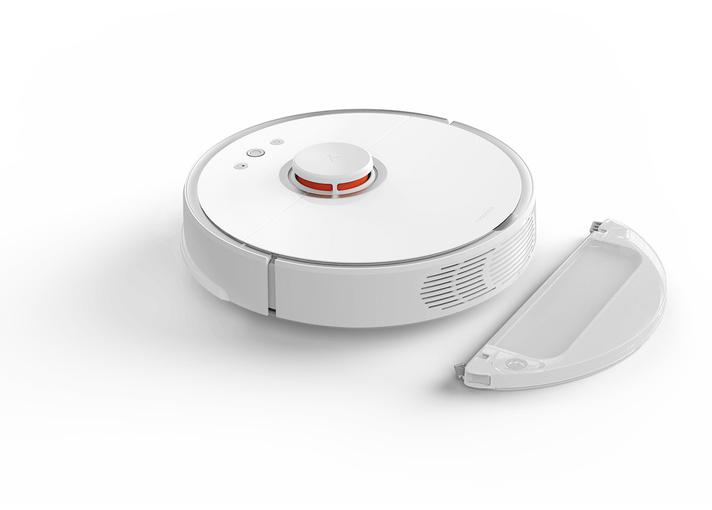
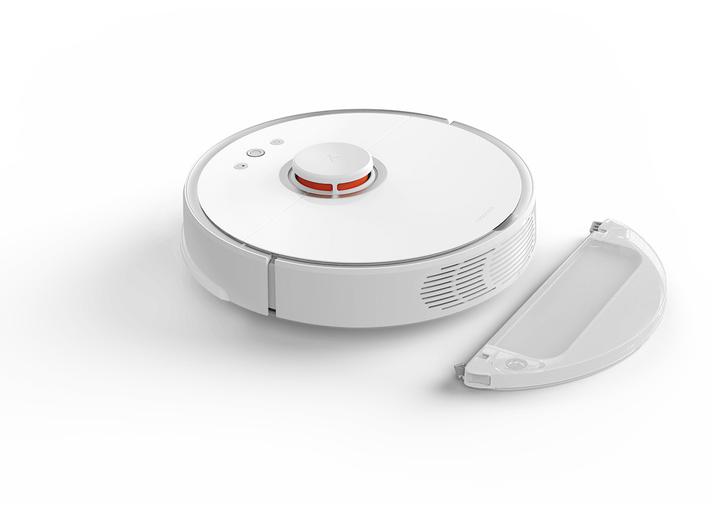
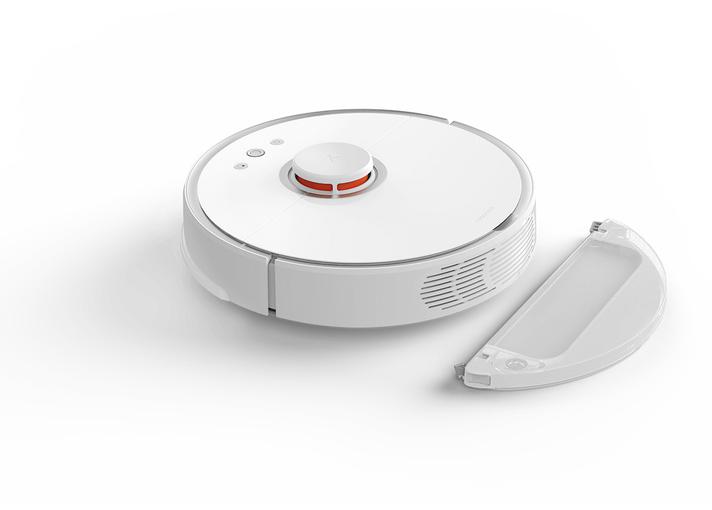
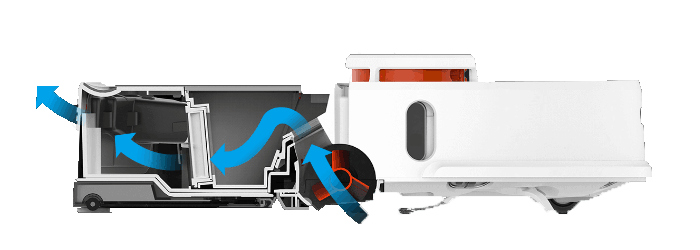
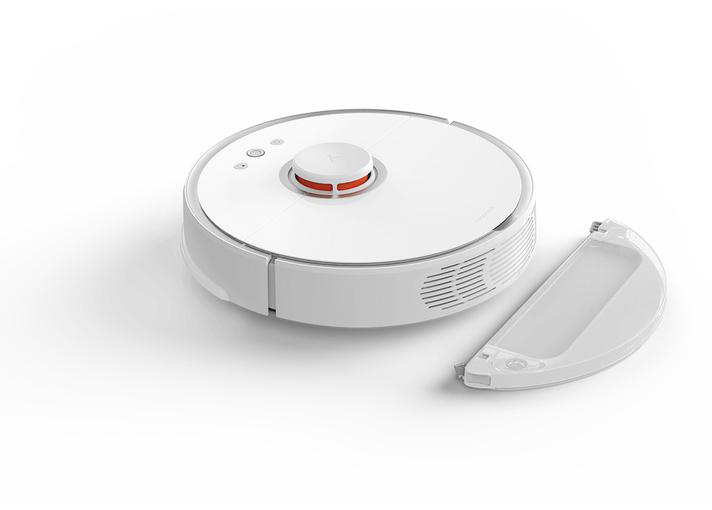
According to a Roborock agent, although the Roborock S5 employs exactly the exact same app made by Xiaomi since the S55 (Xiaomi is an investor in Roborock), map data is stored locally on the robot and only enters the Cloud when a user views the map on the smartphone program. As much as 20 maps are saved in the Cloud at any given time and are automatically deleted after a year. When users delete a map it is also removed from the Cloud. Much like the program that accompanies the Mi Home program, the Eufy Robovac 30C is designed to control multiple house devices that were smart. While the app’s vacuum section is robust, the layout isn’t intuitive. Exactly what the Roborock S5 lacked cleaning thoroughness, it made up for with speed, cleaning our hardwood and carpet test region in an average of 15 minutes and 22 seconds, nearly a complete hour quicker than the Roomba 690 and 45 minutes fast compared to Shark Ion R85. It was as fast as the Neato Botvac D7, which cleaned the evaluation area at an average of 10 minutes, 22 seconds. Mopping performance One of our favorite design components of the Robovac S5 is its”hood.” Flip up the piece and you’ll find the ample dustbin hidden in the middle, along with a indicator light and system reset button. The S5 was the real robot vacuum we examined that had an onboard space to maintain the differently easy-to-lose instrument for cleaning the brush roll, a clever means to maintain functionality while enhancing the aesthetic. An indented section close to the rear is supposed to maintain the microfiber mop module. Once the Roborock S5 gets its bearings, it cleaned regions in a thorough, precise, back-and-forth snake pattern.
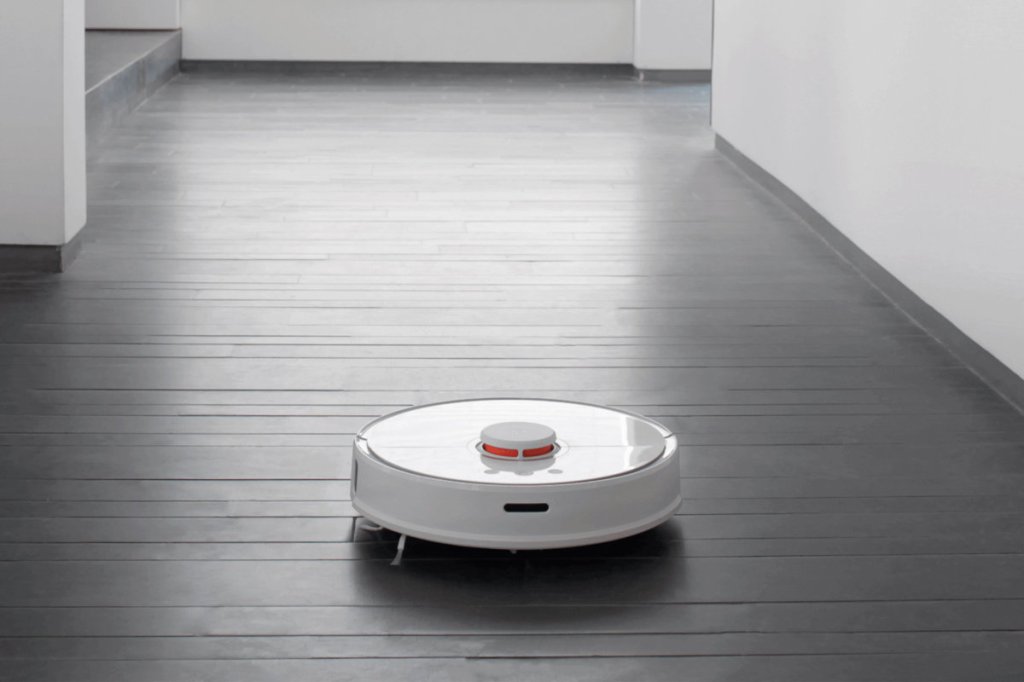
The robot vacuum immediately found its way through the maze under our dining room table, readily weaving its way out of 1 side of the room to the other. We appreciated how hewed to walls and about seat legs;it tackled walls and borders as the Neato Botvac D7. The vac was also smart enough to fully avoid a thick pile rug that felled other robot vacuums, but its taller elevation supposed it didn’t fit under our chairs or our low-clearance sofa. Overall, the Roborock S5 accumulated an average of 86.8 percent of all test debris on carpeting –a performance on a level with the Neato Botvac D7, but well below the Shark Ion R85’s 97.2 percent. The S5’s hardwood performance told a similar tale, picking up an average of 83.9 percent of all test debris. It was bested by the Botvac D7 by 12 percent. Note that Map Saving Mode is now in beta and have to be toggled on separately under Vacuum Settings from the program. We spent several test runs re-mapping our floor due to the map not saving automatically. Both the expensive iRobot Roomba i7+ and also the Botvac D7 are able to store multiple floor plans. The security firm AV-Test recently assessed four distinct app-connected robot vacuums’ safety, such as the Roborock S55 and the Roomba 980. The Roborock S55 performed the worst; AV-Test said this was”Due partially to gross safety deficiencies in data transmission, the transfer of data to third parties, the program’s unexplainable thirst for data, in addition to a clear need for improvement in the announcement on the handling of consumer data.” The manual recommends running a regular vacuum cycle . We did so, but it didn’t appear to help. The S5 left the mapped area dull and somewhat tacky.
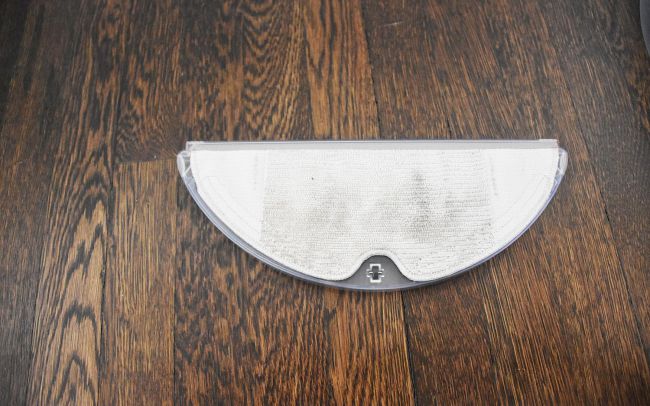
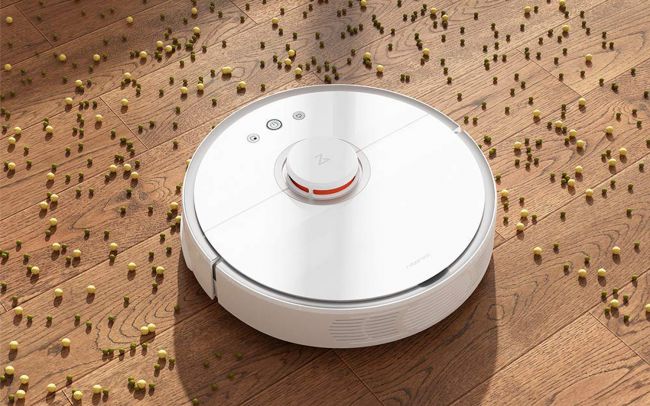
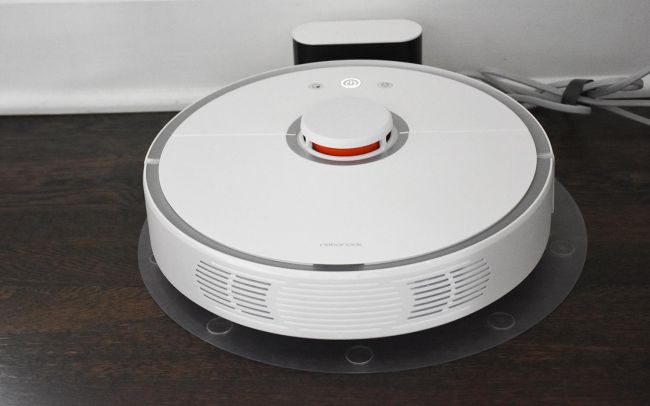
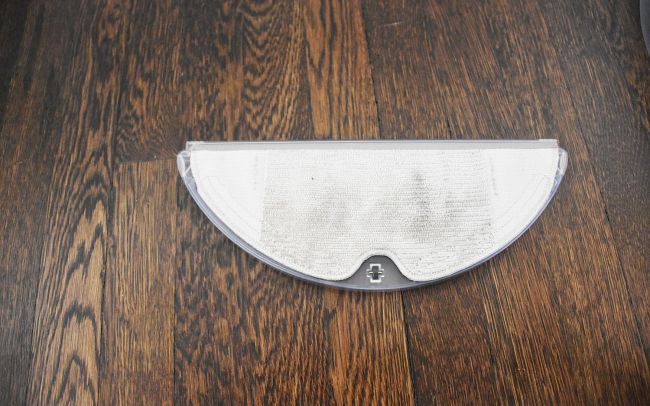
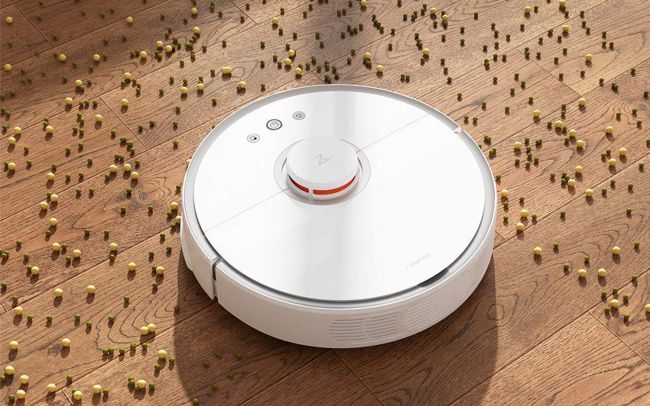
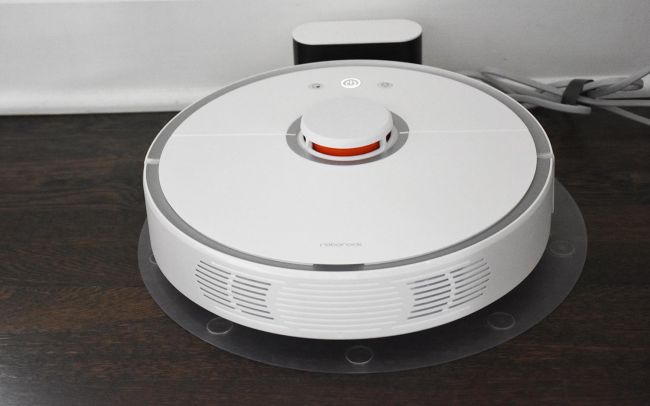
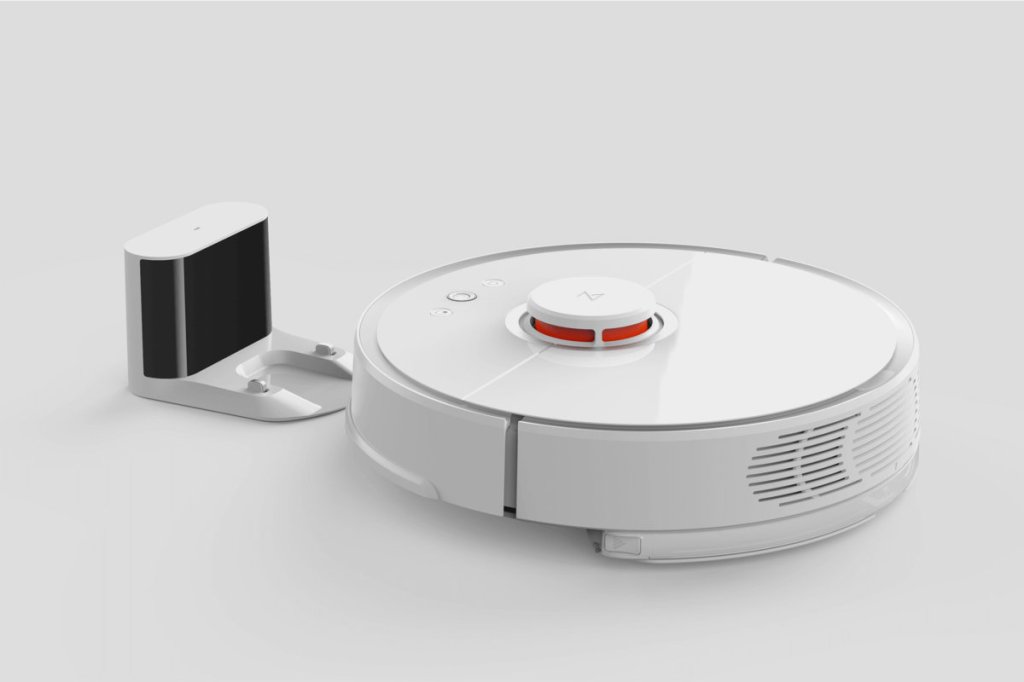
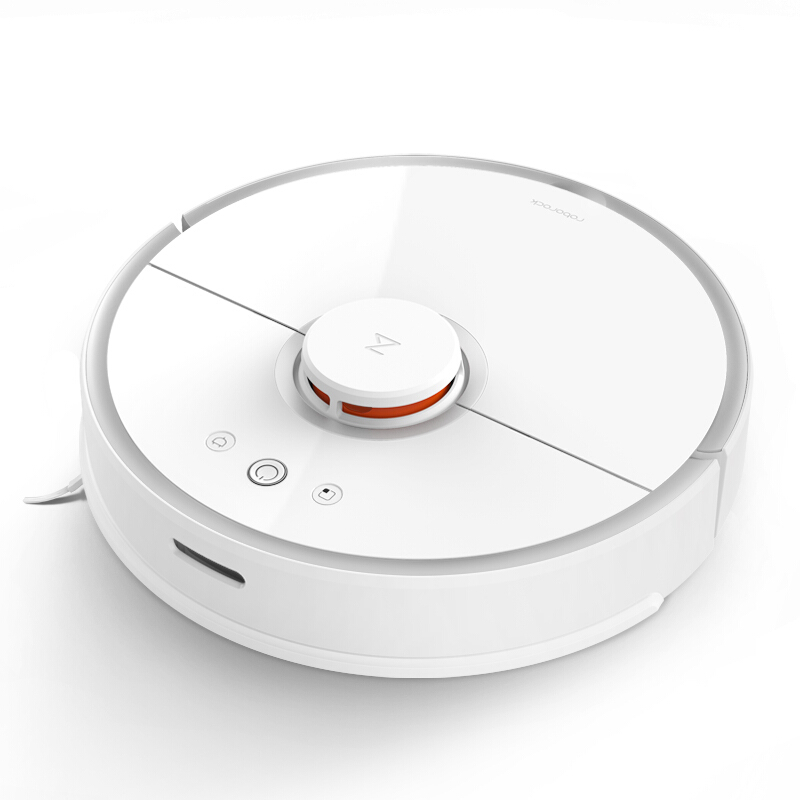
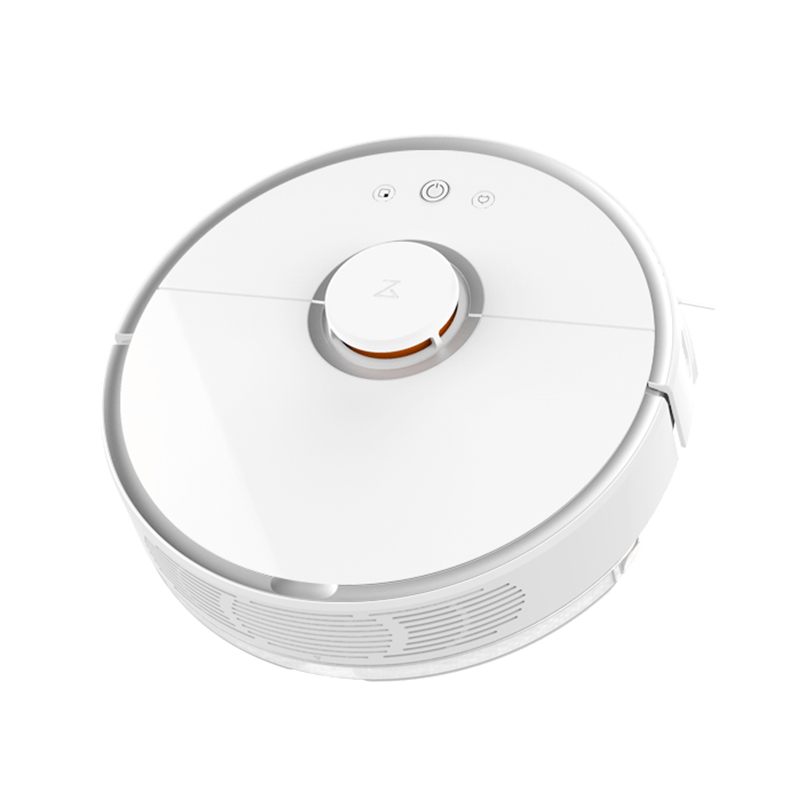
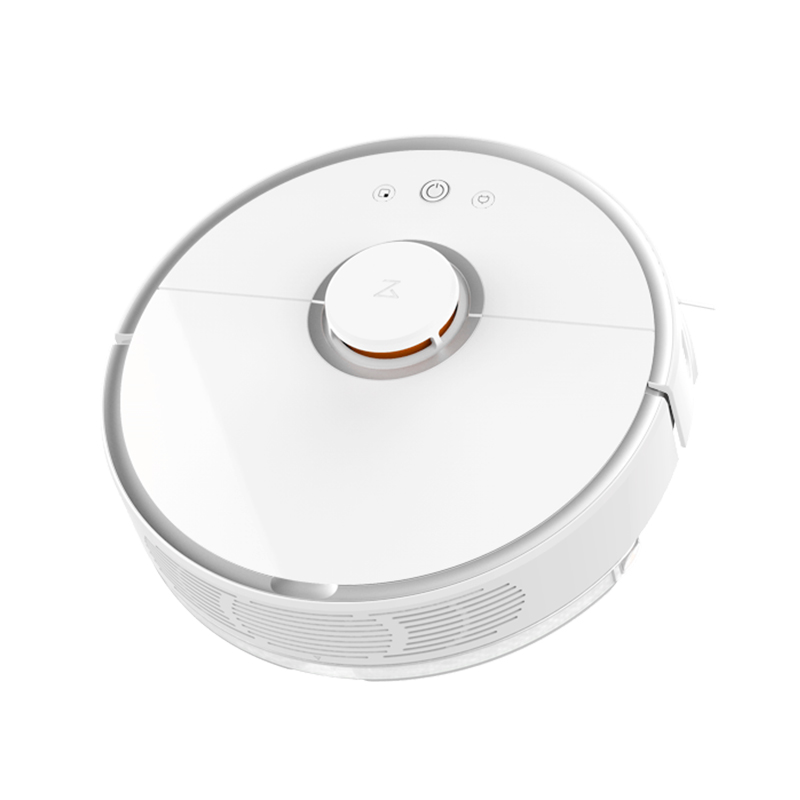
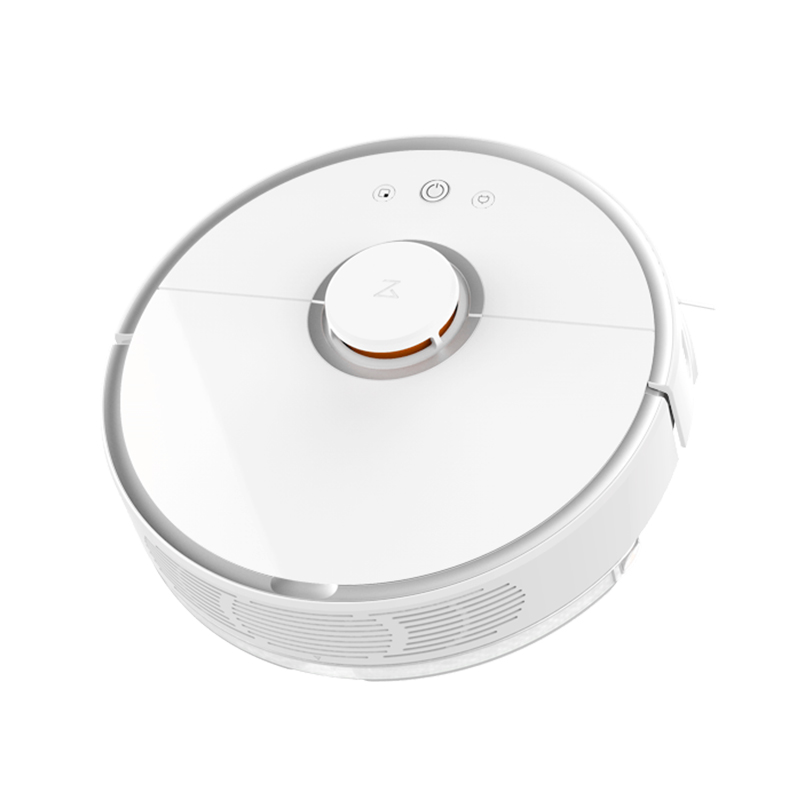
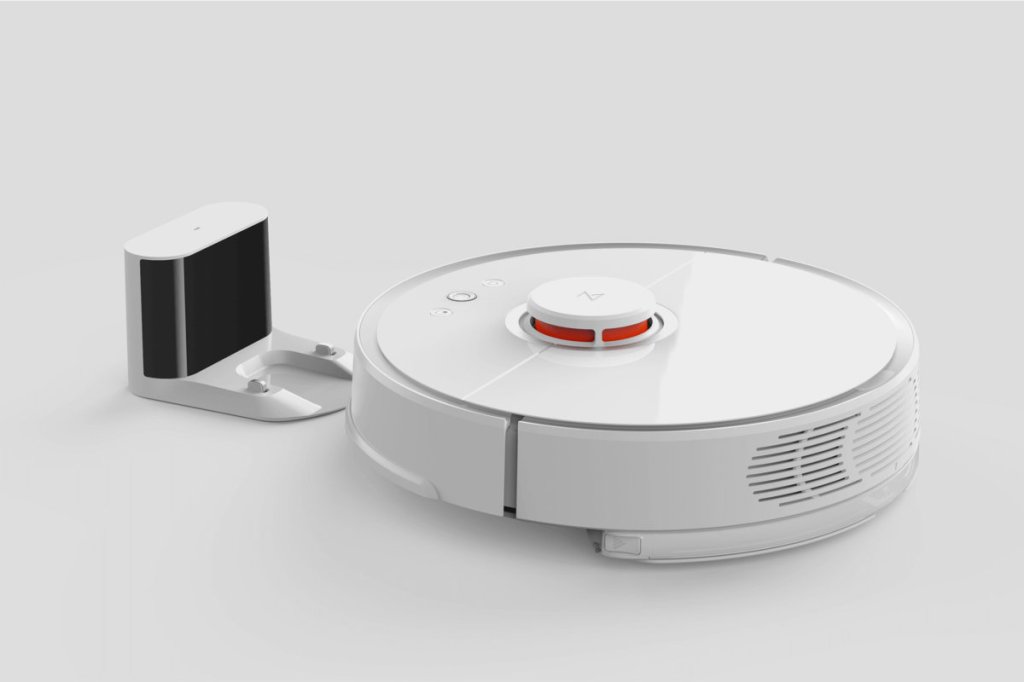
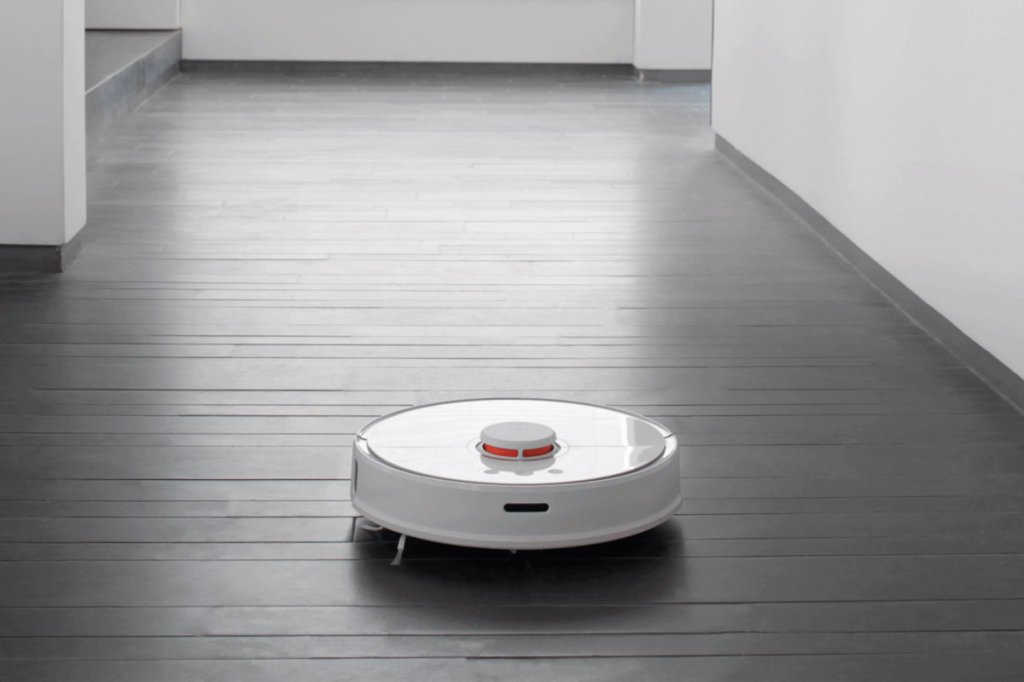
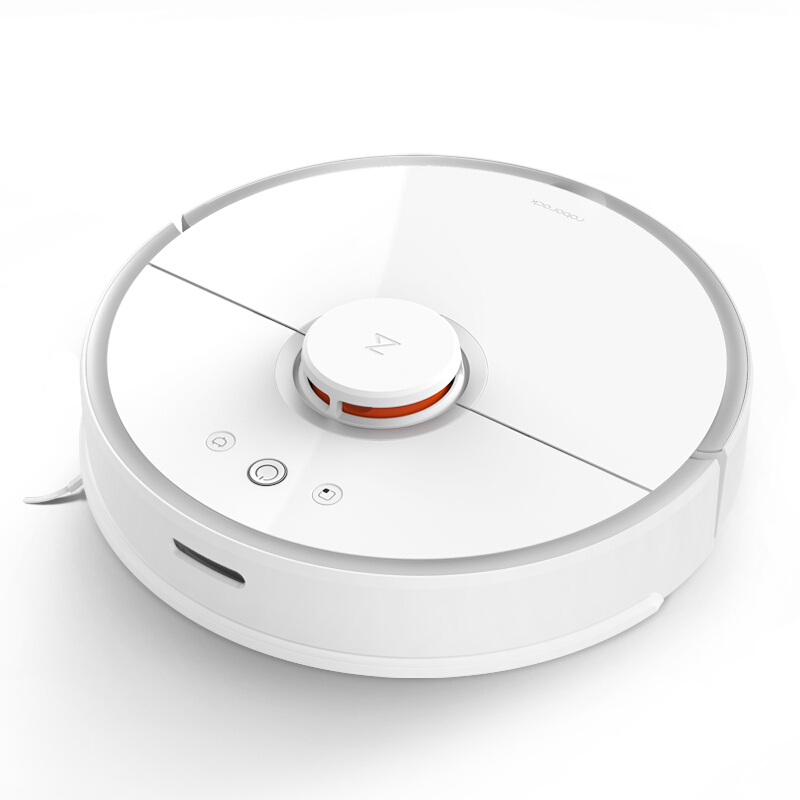
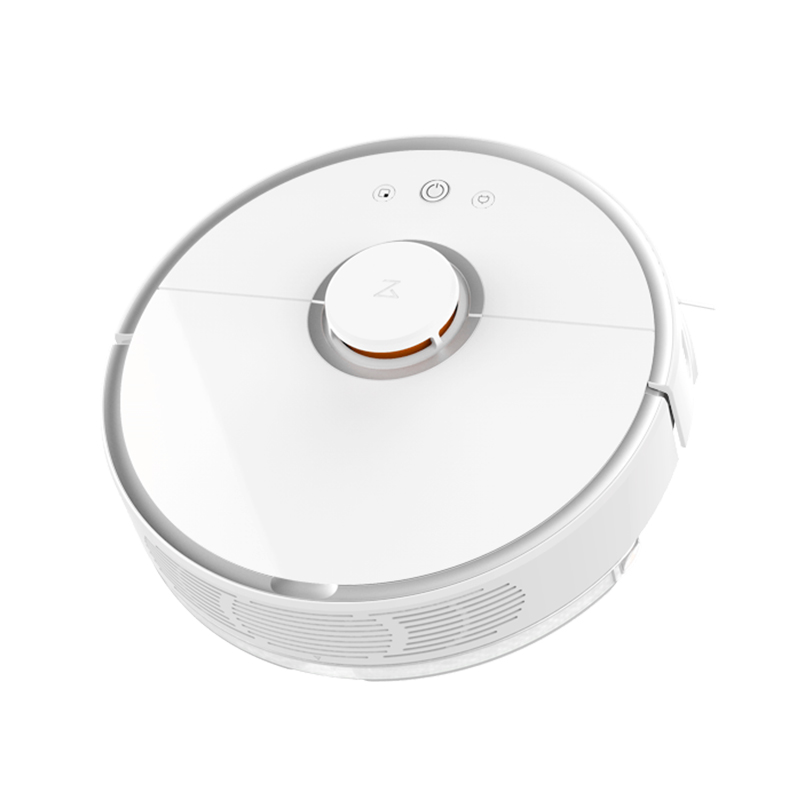
If it had been possible to use something in addition to water from the mop tank, then maybe it would have performed better. The Roborock S5 distinguishes itself using a mapping feature that’s unique one of the robot vacuums we analyzed, but unfortunately, its own cleaning art is helpful. A slender disk with a microfiber pad attached with velcro clicks resides under the back of the vacuum. Fill out the disc with water, click it adjust the Cleanup mode in the program and you’re ready to wash. If you guessed that the Go icon could initiate a cleaning cycle, then you would be wrong. Rather, God directs the S5 into a stage on the cleaning map for the bot to perform a place cleaning. By activating the icon that is Clean, an overall vacuuming cycle is initiated. Buried in the Settings menu are five different Cleanup modes : Quiet, Balanced, Turbo, MAX and Mop. The program, and by extension, the vacuum, retain the mode last used. In the center of the robot is a laser cover with a dab of beneath, very similar to the one around the Neato Botvac D7. Above the cover are buttons for cleaning, on/off and recharging. Perhaps due to its white colour, the wall detectors on front and side of the S5 are more conspicuous than on other versions, but they don’t detract from the bot look. The Roborock S5 measures 13.8 inches in diameter, more than an inch larger than the Shark Ion R85; it is also larger than the 13-inch iRobot Roomba 690 and the 13.2-inch Neato Botvac D7. Cleaning performance Picking pet hair on both the hardwood and carpet stymied many of the robot vacuums we tested, such as the Roborock S5;it picked up only 79.5 percent of pet hair–10 percent less compared to Botvac D7 and 8.5 percent less compared to Ion R85.
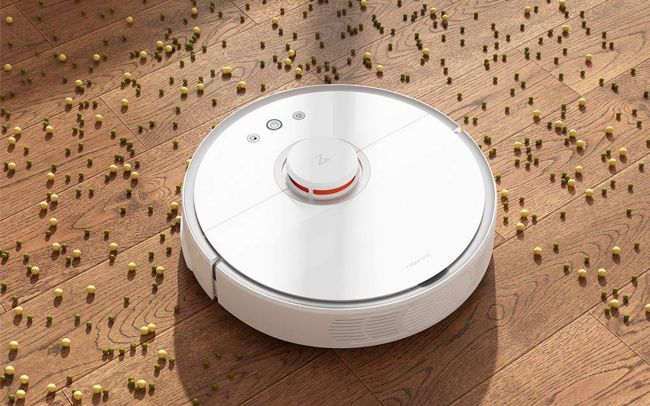
On the other hand, the S5 did best the Roomba 690’s 73.3 percent pet hair pickup speed. “Starting the cleanup,” a cheery voice announces from deep within the Roborock S5. Rather than a series of Morse code-like beeps and chimes employed by the Neato Botvac D7, the Shark Ion R85 and lots of other modern appliances, the S5 admits what it’s going to do in easy-to-understand language prompts. The Roborock S5 performed well, but not outstandingly so. On hardwood and carpeting, it picked up an average of 96.2 percent of the Cheerios strewn across the test region, which was marginally less than the iRobot Roomba 690 (99.5 percent), the Neato Botvac D7 (99.8) and the Shark Ion R85, that divides up a perfect 100 percent on this evaluation. In 63.8 decibels, the Roborock S5 was noticeably louder than the Shark Ion R85 (59.2). We had the ability to have a conversation with another individual in the room although the vacuum worked around us but undoubtedly raised our voices.










 Like A World-Class Champion