
Roborock S5 Robot Vacuum Review: Jack-of-All-Trades, Master of None
Flip the Roborock S5 over and you’re going to find two rubber wheels on either side, a multi-directional wheel in front, and a three-spoke side brush to the left. Between the wheels is the combination rubber and bristle roller brush. Though similar to the brush on the Eufy Robovac 30c, the S5’s roller brush remained free of hair and fuzz. Layout The security firm evaluated the security of four distinct app-connected robot vacuums, such as the Roborock S55 and the iRobot Roomba 980. The Roborock S55 performed the worst; AV-Test explained this was”Due partly to gross security deficiencies in data transmission, the transfer of data to third parties, the app’s unexplainable thirst for information, in addition to a very clear need for improvement in the announcement on the handling of consumer data.” As per a Roborock agent, although the Roborock S5 uses the exact same program produced by Xiaomi as the S55 (Xiaomi is an investor in Roborock), map information is saved locally on the robot and only goes into the Cloud when a user views the map on the smartphone program.

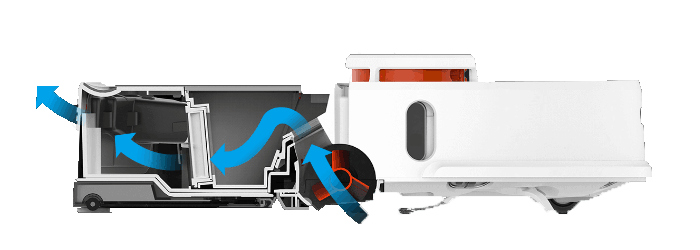
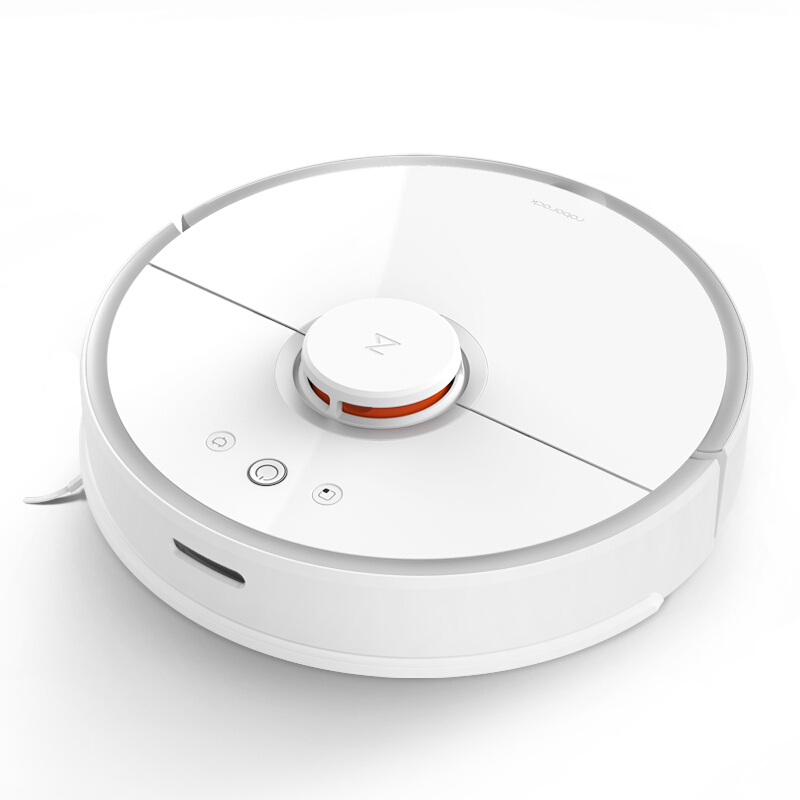
Up to 20 maps are saved in the Cloud at any given time, and so are deleted after a year. When users delete a map from the app, it is also eliminated from the Cloud. Exactly what the Roborock S5 lacked in cleaning thoroughness, it made up for with speed, cleaning our hardwood and carpet test area at an average of 15 minutes and 22 seconds, almost a complete hour faster than the Roomba 690 and 45 minutes quickly than the Shark Ion R85. It wasn’t quite as quickly as the Neato Botvac D7, which cleaned the test region in an average of 10 minutes. We were enthused about zone cleaning as it’s a great way to perform a cleaning of a front hall or kitchen where there is more foot traffic. From the main display on the program, you are able to draw boxes around the map areas you need vacuumed. Unlike the Roomba i7+ and also the Neato Botvac D7, you can’t save or title the zones, which usually means you have to redraw every time to the place you want to wash them. Adding to the confusion is an Edit Map button on the main screen that lets you draw barrier cassette and no-go zones. Among our favourite design elements of this Robovac S5 is its”hood” Flip the thin piece up and you’ll find the dustbin concealed in the center, along with a Wi-Fi indicator light and system reset button.
The S5 was the only robot vacuum we examined that had an space to maintain the tool for cleaning the brush roll, a means to keep functionality while enhancing the aesthetic. An section close to the back is meant to maintain the microfiber mop module. At 63.8 decibels, the Roborock S5 was noticeably louder than the Shark Ion R85 (59.2). We were able to have a conversation with another person in the room although the vacuum worked around us but raised our voices. The Roborock S5 performed nicely, but not outstandingly so. On hardwood and carpet, it picked up an average of 96.2% of the Cheerios strewn throughout the test region, which was slightly less than the iRobot Roomba 690 (99.5 percent), the Neato Botvac D7 (99.8) and the Shark Ion R85, which divides a perfect 100 percent on this test. The Roborock S5 measures 13.8 inches in diameter, more than an inch larger than the Shark Ion R85; it’s also bigger than the 13-inch iRobot Roomba 690 and the 13.2-inch Neato Botvac D7. Installation and program We were reluctant to give the S5 free reign to wash if it decided to test and wash our carpet, therefore we utilized the spot-cleaning manner, which cleans a 1.5- meter (4.9 feet) area around wherever the S5 is put. Turns out our hesitations were unfounded. The Roborock S5 produced about as much water as a wet Swiffer pad on the ground. If it had cleaned as a Swiffer does.
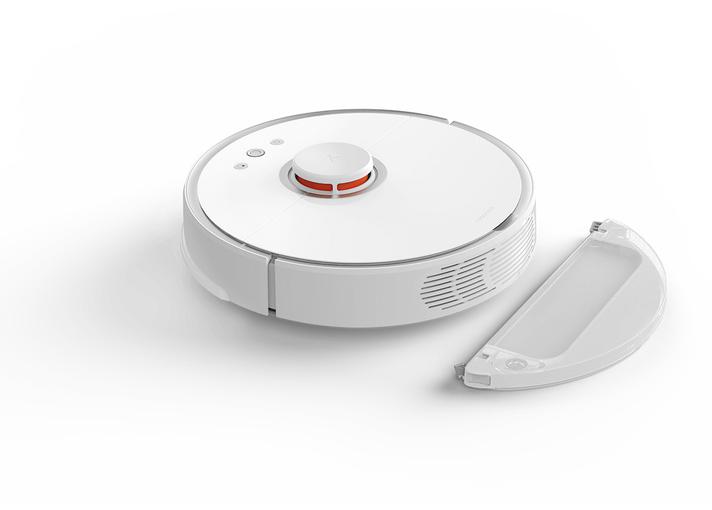
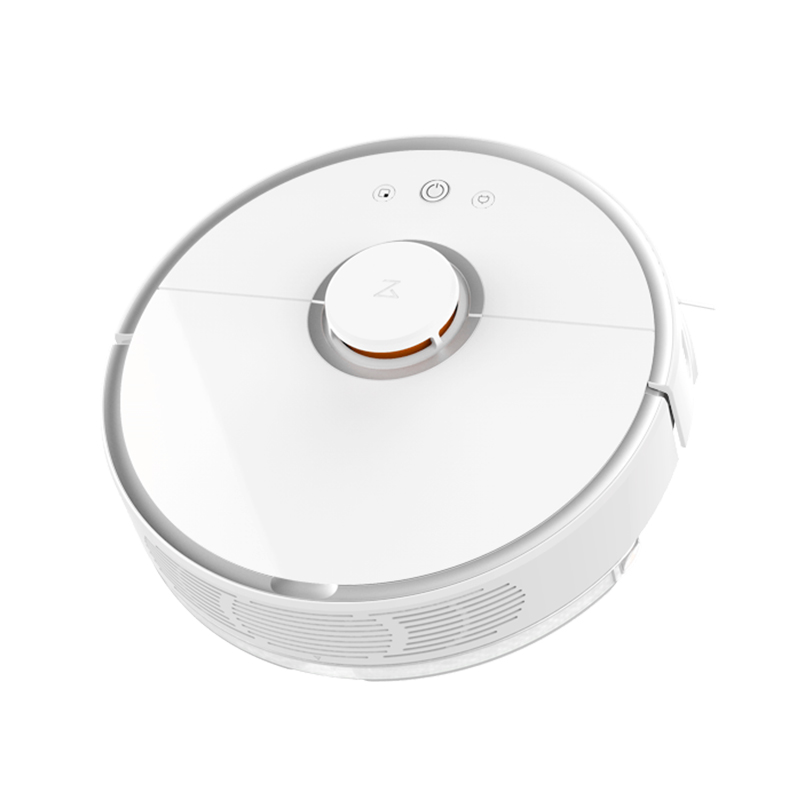
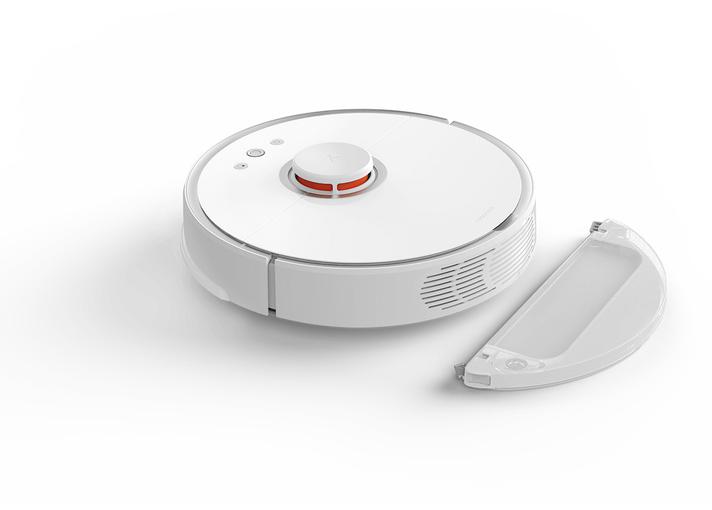
Security concerns Picking pet hair on both hardwood and carpeting stymied many of the robot vacuums we tested, such as the Roborock S5;it picked up just 79.5% of pet hair–10 percent less compared to Botvac D7 and 8.5 percent less compared to Ion R85. However, the S5 did best the Roomba 690’s 73.3 percent pet hair pickup speed. Mopping performance Much like the app that accompanies the Eufy Robovac 30C is designed to control house smart devices. While the vacuum part of the program is strong, the layout is not instinctive. Overall, the Roborock S5 accumulated an average of 86.8% of test debris on carpet–a performance on a par with the Neato Botvac D7, but well below the Shark Ion R85’s 97.2 percent. The S5’s hardwood performance told a similar tale, picking up an average of 83.9 percent of test debris. It was bested by the Botvac D7 by 12 percent. The Roborock S5 distinguishes itself with a mapping feature that’s unique among the robot vacuums we tested, but unfortunately, its own cleaning art is more of a novelty than genuinely helpful. A half-inch thin, half-moon-shaped disc using a microfiber pad attached with velcro clicks resides under the back of the vacuum. Fill out the disc with water, click it adjust the Cleanup mode and you’re ready to clean. The main screen shows the most recent map-cleaning area cleaning time and also our item of information–remaining battery life. Along the bottom are icons for Go, Dock, Clean and Zoned Cleanup. In this robot’s middle is a increased laser cap with a splash of beneath, similar to the one on the Neato Botvac D7. Over the cover are buttons for cleaning, on/off and recharging. Perhaps due to the colour, the wall detectors on front and side of the S5 are more conspicuous than on other models, but they do not detract in the bot’s understated look.
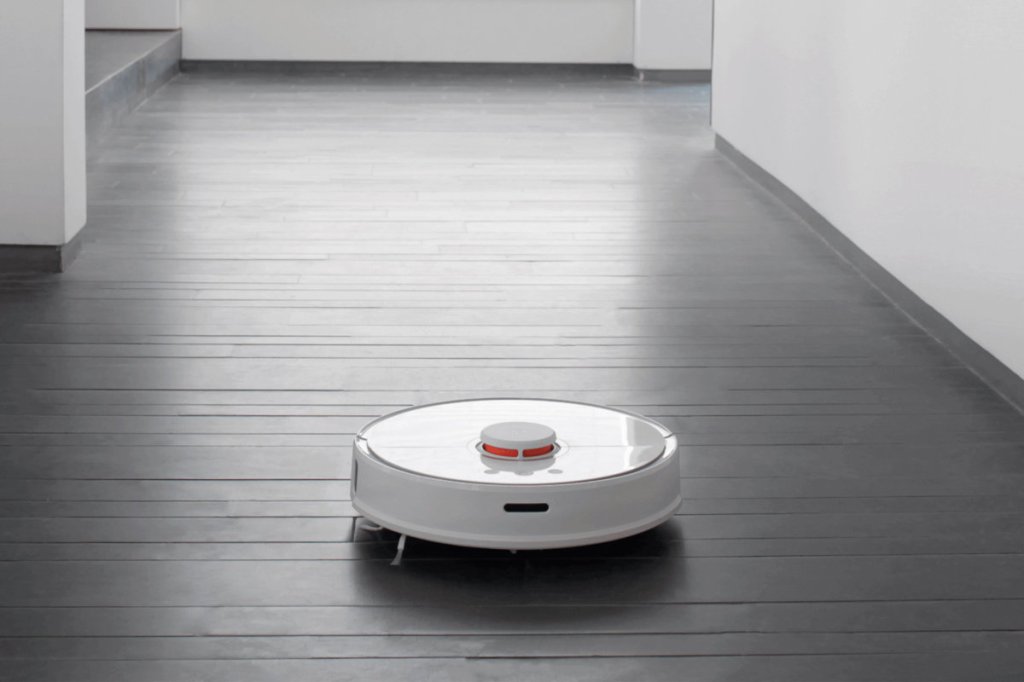
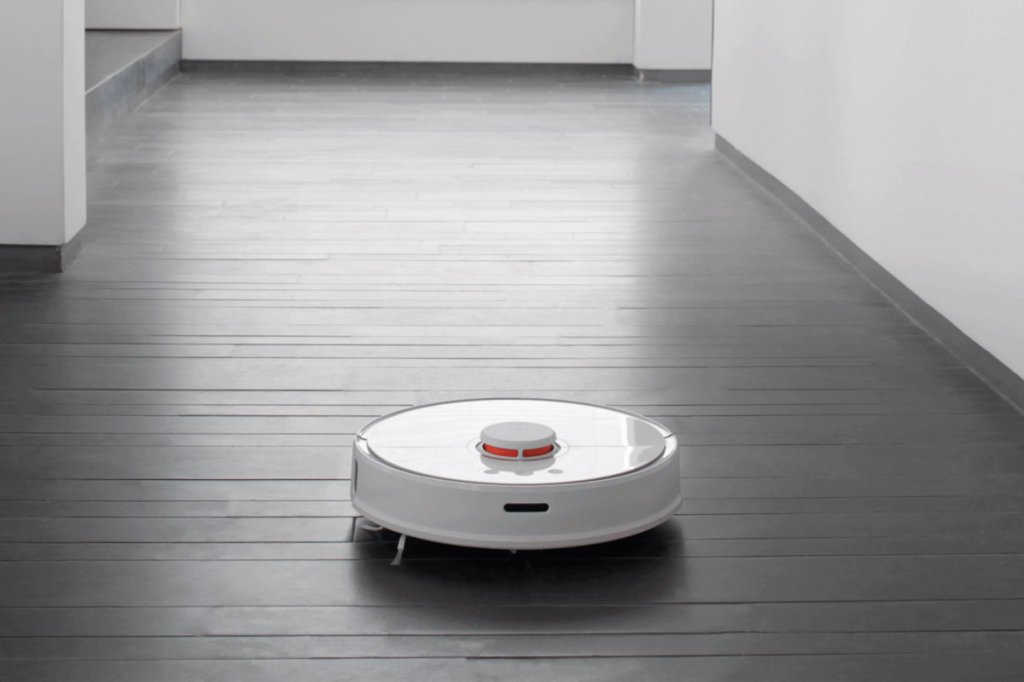
We were amazed with how the Roborock S5 approached walls and barriers. The bumper on the Roomba 690 seemed to announce it hit something with clunk; the S5 was more considerate. The robot slows its own strategy and its brush before gingerly approaching an obstacleonce the S5 decided an object was still approachable, it approached with gusto. The S5 pushed chairs and puppy bowl than the Shark Ion R85 and also the Neato Botvac D7. It wasn’t destructive, but I would not leave a vase on a lightweight plant stand around during a cleaning. Once the Roborock S5 gets its bearings, it cleaned regions in a thorough back-and-forth snake layout. The robot vacuum found its way beneath our dining room tableweaving its way to another from one side of the space. We appreciated how tightly the S5 hewed to walls and around chair legs;it tackled walls and borders as the Neato Botvac D7. The van was also smart enough to fully avert a thick pile rug which felled other robot vacuums, but its taller elevation meant it did not fit under our chairs or our low-clearance sofa. Despite its size, the Roborock S5 deftly maneuvered through tight spaces. At 3.8 inches , the S5 sits straight between the 3.9-inch Botvac D7 and the 3.7-inch Roomba 690. While we don’t love the raised laser cover at the middle, the characteristic was less obtrusive than the one on the D7, which has a large overhang and penchant for becoming stuck beneath living room chairs. You want it to look if it’s docked on your living space, if you’re adding a robot vacuum to your home. The Roborock S5 eschews the black-and-grey color scheme adopted by other vacuums for white, with silver trim around the rim. If you guessed the Go icon could initiate a cleaning cycle, then you would be wrong. Instead, Go directs the S5 to a user-chosen stage on the cleansing map for the bot to perform a place cleaning. By activating the icon that is sterile, a vacuuming cycle is initiated. Buried in the Preferences menu are five different Cleanup modes : Quiet, Balanced, Turbo, MAX and Mop. The program, and by extension, the vacuum, retains the mode last used.
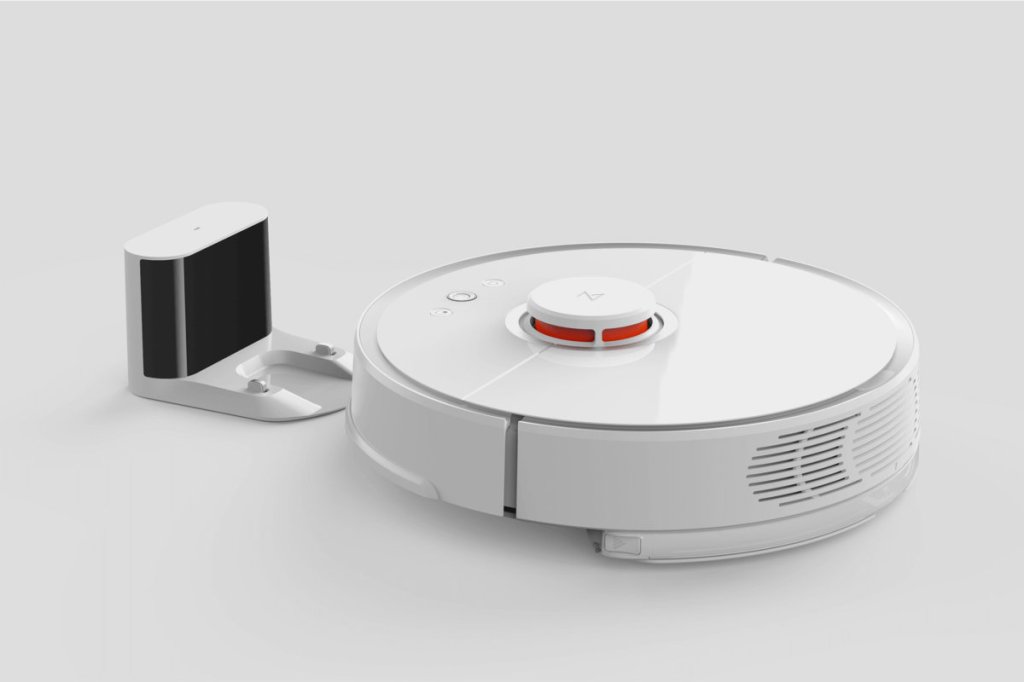
Cleaning performance The Roborock S5 may also be controlled via Amazon Alexa and Google Home. But don’t expect to get any advanced features using Alexa; the only choices are On and Away, which prompts to bot to come back to its base. Google Assistant adds”Return to Dock,” which sends the robot house, rather than Stop, which pauses the vacuum in its tracks. “Starting the cleanup,” a cheery voice announces from deep inside the Roborock S5. Rather than a series of Morse code-like beeps and chimes employed by the Neato Botvac D7, the Shark Ion R85 and lots of other modern appliances, the S5 admits what it is likely to do in easy-to-understand terminology prompts. The Roborock S5 is mostly controlled via the Mi Home program (Android and iOS). Linking the robot into the program and also to our home wi-fi network took two tries, mostly because the directions for pairing the bot into the network were not too apparent. Instructions that were abstruse quickly became a motif of this S5. The guide recommends running a vacuum cycle that is regular within the region at least three times. We did this, but it did not appear to help. The S5 abandoned the mopped area dull and a little tacky. If it had been possible to use something along with water in the mop tank, then maybe it could have performed better. The black-and-white dock for the Roborock S5 is only marginally taller than the vacuum. A large, clear plastic mat attaches to the dock, but it is only needed if you’re planning on using the attachment. Notice that tabbed Saving Mode is now in beta and must be toggled on separately under Vacuum Settings from the program. We spent several test runs re-mapping our first floor due to the map not saving automatically. Both the iRobot Roomba i7+ and the Botvac D7 are able to save multiple floor plans.



 Like A World-Class Champion